
In January 1965 a meeting took place in the rooms of one Classics don at Gonville and Caius college Cambridge, during which a proposal – two sides of A4 plus a budget – was drafted for a 3 year long project funded by the Nuffield Foundation. As with many such academic endeavours there followed an awful lot of arguing, but on 1st Jan 1966 the Cambridge School Classics Project (CSCP) was officially founded. Four years later in 1970, the first edition of the Cambridge Latin Course (CLC) was published.
CSCP has now been supporting Classics Education around the world for over 60 years, and is the only Nuffield Foundation project still running under its original remit: making the ancient world and its languages accessible to as many students as possible through innovative pedagogy, high quality resources, and effective support and advocacy. The project now sits within the University of Cambridge Faculty of Education.
The Cambridge Latin Course (CLC), now in its fifth international edition (6th edition for North America), continues to be one of the most successful school Latin courses in the world. Over the years support for the CLC has grown, with new materials such as graded tests, independent learning manuals, audio recordings, videos, and a suite of innovative digital materials. North American teachers of the CLC can even look to the North American Cambridge Classics Project for help and support.
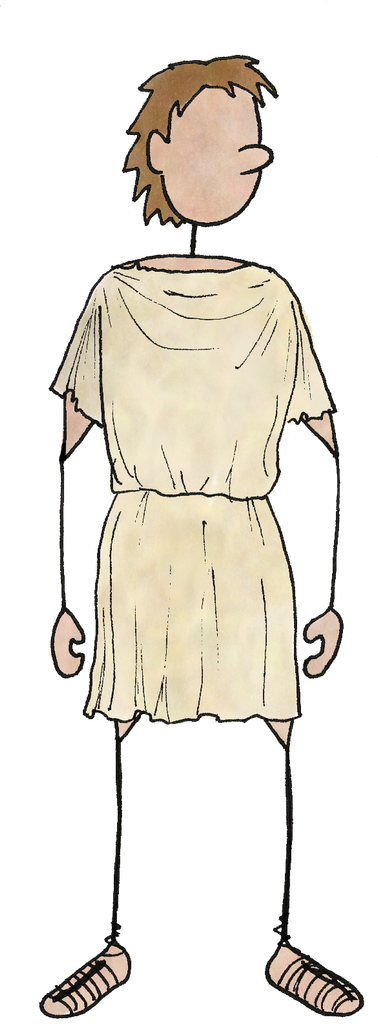
From its foundation, CSCP has also promoted the wider study of the ancient world outside of language teaching. For example, the Classic Tales and Primary Ancient Greeks use re-tellings of the epics of Homer and myths from Ovid’s Metamorphoses to promote speaking, listening and literacy skills at Key Stage 3 and Key Stage 2 respectively. Key Stage 3 Classics or History teachers can also use the Amarantus and his Neighbourhood materials to explore 1st century Pompeii with their students.
Finally, in addition to support for Latin, CSCP also advocates for the study of Classical Greek, and is proud to partner with Classics For All and the Cambridge University Faculty of Classics on the Cambridge Greek Academy. A beginners Greek course aligned with reading methodology principles is also in development.
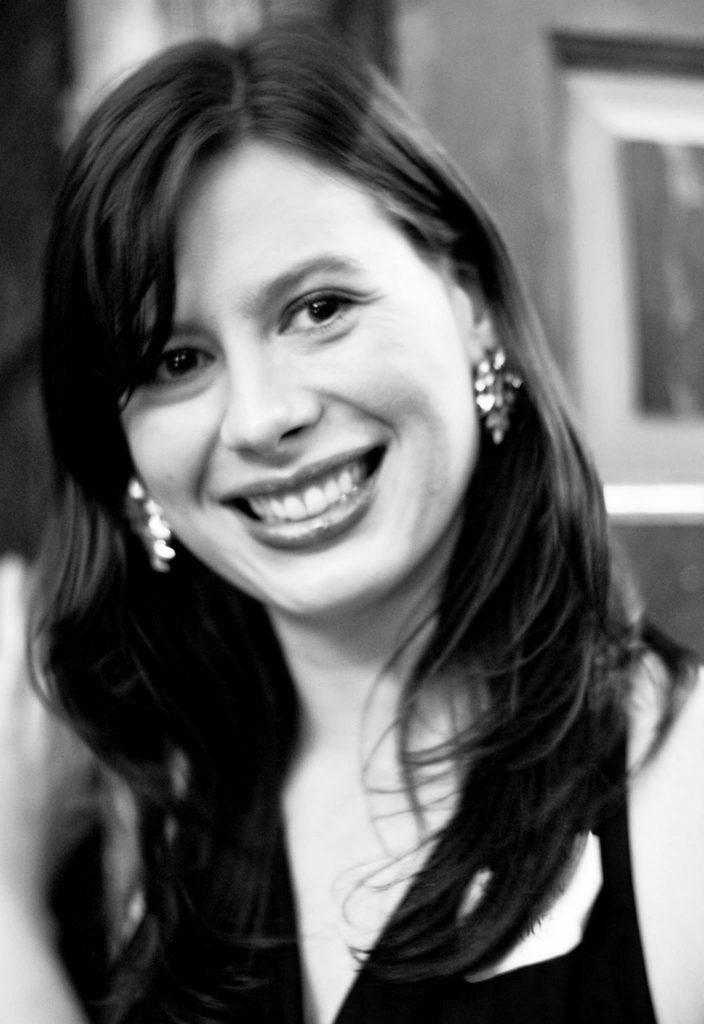
As Director, Caroline has overall responsibility for CSCP’s work and the project’s continued success; no pressure. Previous to her role at CSCP, Caroline was the Classics and Religious Studies Subject Specialist at the exam board OCR. Caroline has also taught a variety of subjects in the state sector at GCSE, AS and A Level, including Classical Civilisation, Classical Greek, Religious Studies, Philosophy and Anthropology. Each summer she teaches on the JSST Classics Summer School, to get a small ‘fix’ of classroom time.
She has an interest in trauma informed approaches to teaching Classical material, especially that involving violence against women and girls, and her research examines the use of Greek and Roman myth to promote key sex and relationship education messages. Caroline is the Chair of the Education Committee of the Board of Trustees for Actors of Dionysus and has contributed to the work of international projects including The Modern Argonauts and Teaching Ancient War and Peace.
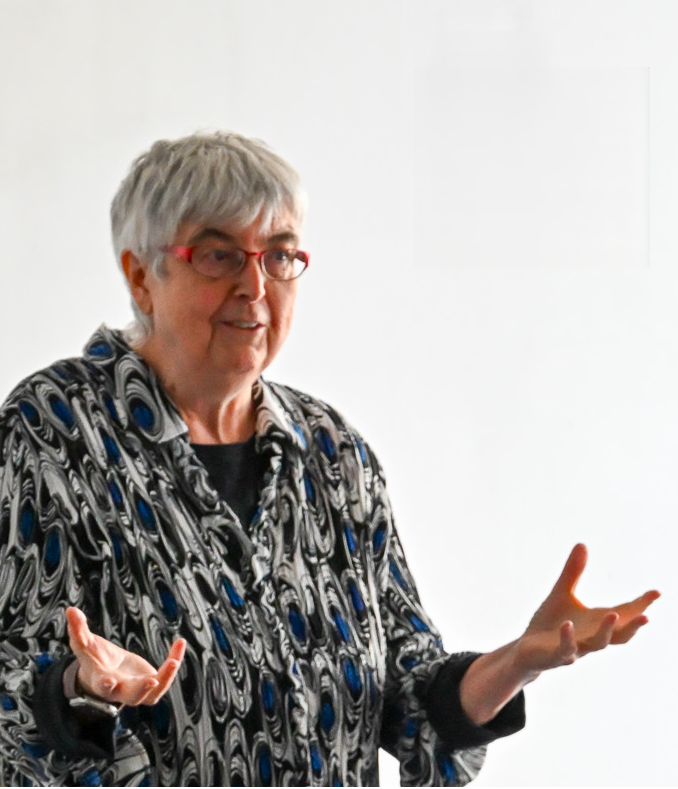
Mair worked in public sector technology management for a number of years, before taking a BA course in Classical Studies as an antidote to the thrills and spills of being a local government IT Manager. She then completed an MA in Classics and Ancient History at Manchester University and a PhD at the Open University where she undertook research into Latin pedagogy. You can read Mair’s thesis here and examples of her research into Latin teaching trends in Higher Education here.
Mair is particularly interested in pedagogy and technology for Latin teaching and is responsible for much of the technical wizardry that makes CSCP’s digital resources, especially its Story Explorers, possible. As well as having varied Classics and technology experience, Mair has a secret past as a Further Education Maths Lecturer.
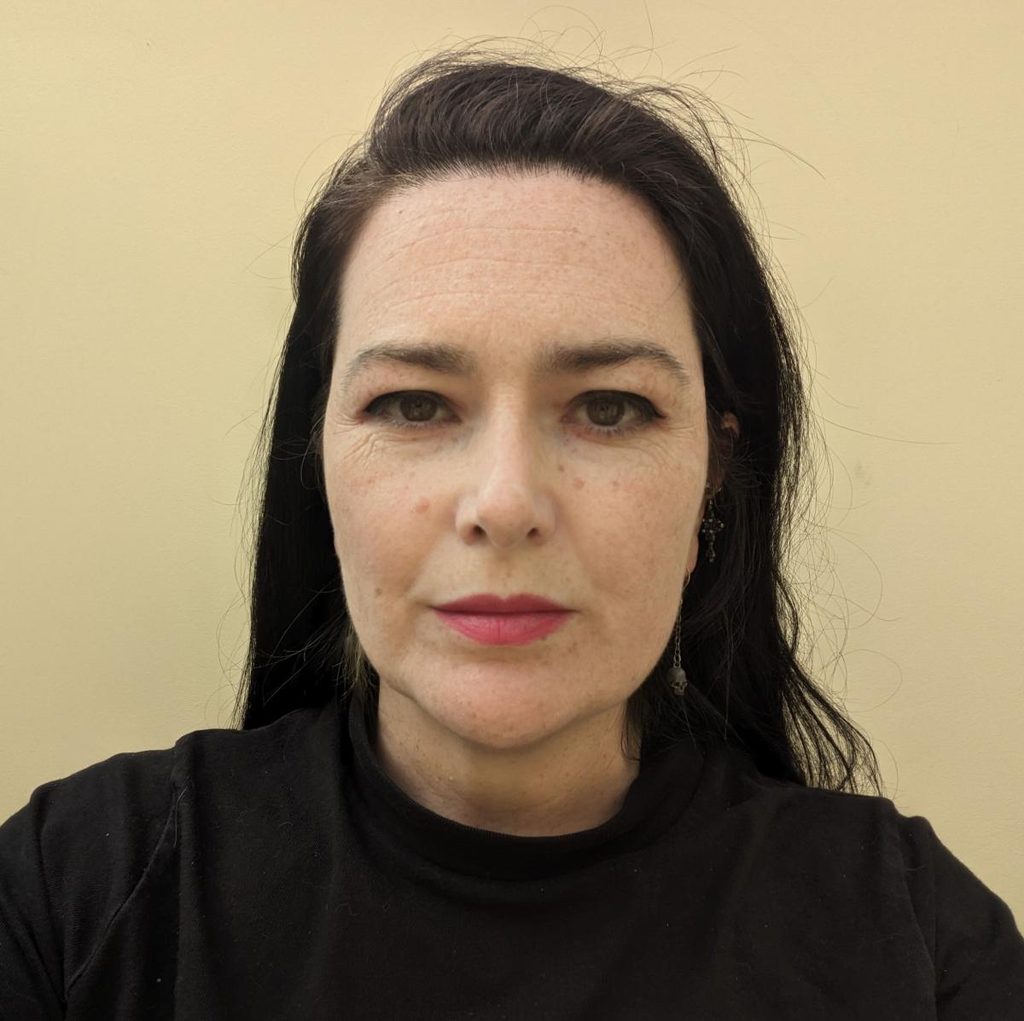
As the Ancient Languages Learning Specialist at CSCP, Lisa spends much of her time writing materials such as the new editions of the Cambridge Latin Course, and the resources around it. Lisa is also involved with the Cambridge Greek Academy. Lisa’s role also involves supporting teachers and learners of Classical subjects; if anything at CSCP involves an ancient language, it probably ends up on her desk at some point.
Before joining CSCP, Lisa spent almost two decades in the classroom, teaching the full range of Classical subjects across KS3-5 in the state sector. She completed her undergraduate degree at the University of St Andrews before gaining her PGCE in Classics and then her MEd at the University of Cambridge. She is particularly interested in digital learning, reading in additional languages, inclusive learning practices, and developing theories to explain how Clemens managed to get out of Pompeii.
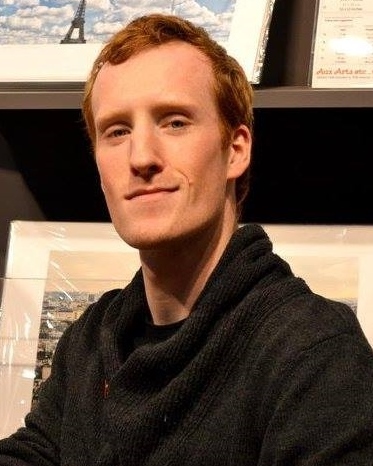
Andrew started working for CSCP in the summer of 2016 as Project Secretary and Publications Manager. He handles the administration and distribution of all products and services sold by CSCP, and is the first port of call for customers with problems or questions.
Andrew studied Philosophy at degree level, but was introduced to Classics when he studied Classical Civilisation at A Level. When he’s not keeping the office running smoothly, he can be found teaching and dancing with The Cambridge Lindy Hoppers. He does not, however, dance in the office unless provoked.
